
ICC Case Summaries | War Crimes News
This case study looks at a recurring accountability workflow in a way that stays concrete, source-led, and readable. It shows how reporting, documentation, and legal process intersect over time.
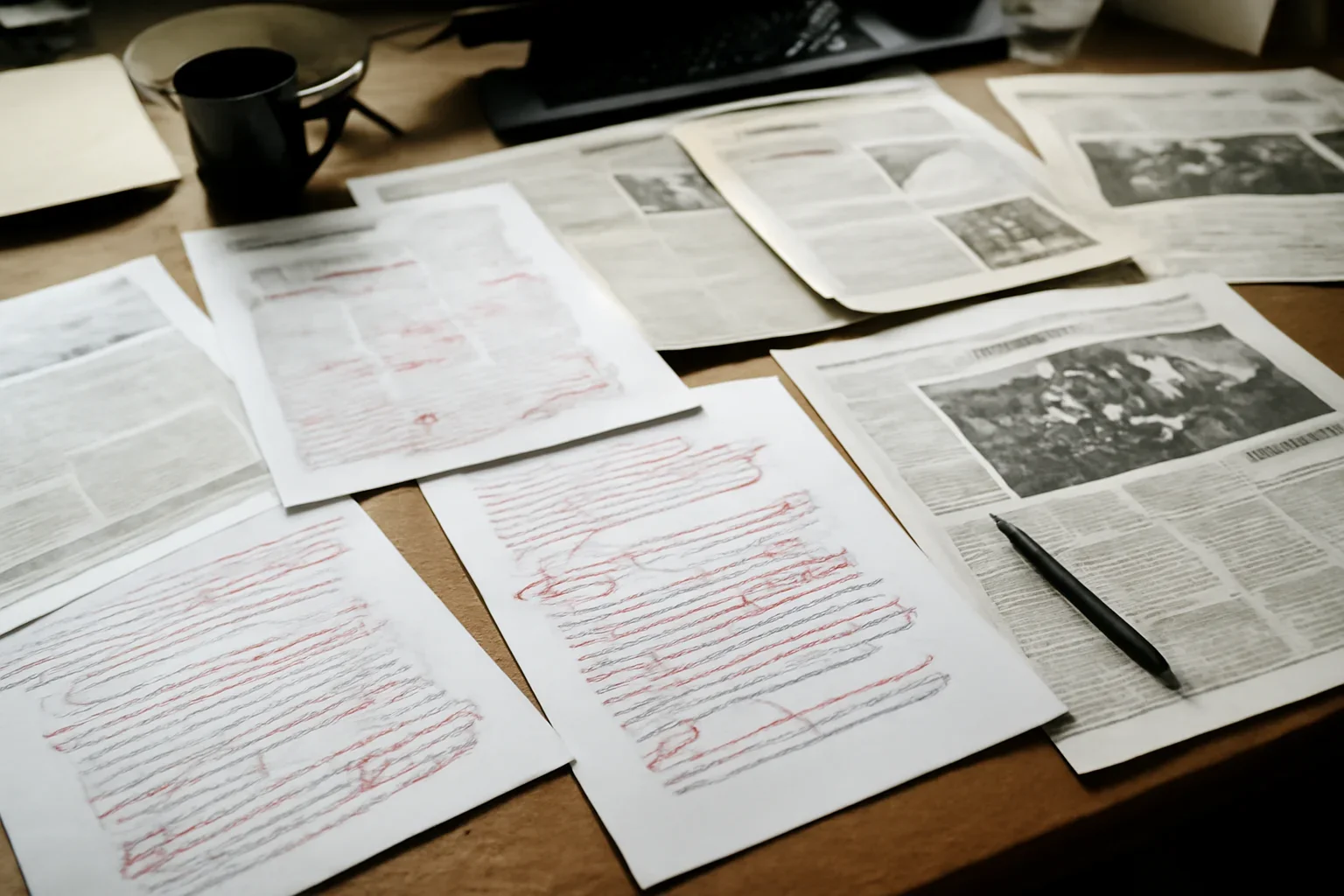
How the workflow unfolds
Case studies are useful because they slow complex accountability work down into readable stages. Instead of treating everything as one vague investigation, they help readers see which steps belong to documentation, which belong to prosecutors, and which remain outside a courtroom altogether.
- Preserving source material
- Ordering events chronologically
- Linking claims back to institutions

Why this case study matters
Digest-style summaries of major icc cases and defendants helps readers see how evidence moves from the field, archive, or witness account into a legal or journalistic product that can actually be examined and questioned.
That is why these pages sit close to the Document Archive, investigation guide, and the weekly briefing rather than floating as one-off essays.
Use case studies to follow the process, not just the headline
The best way to read these pages is alongside the country dossiers, glossary terms, and feature pages that keep the workflow connected from source to summary.